Your Reliable Construction Specialist for Top-Tier Residential Renovations
A trusted building professional serves an essential role in home improvements. Their expertise ensures work are finished with accuracy and attention. By focusing on quality materials and skilled workmanship, they improve both aesthetics and worth. Open communication and thorough preparation are vital for a smooth process. However, many property owners miss key factors when selecting a builder. Recognizing what to emphasize can make a significant impact in attaining a successful renovation. What should homeowners consider first?
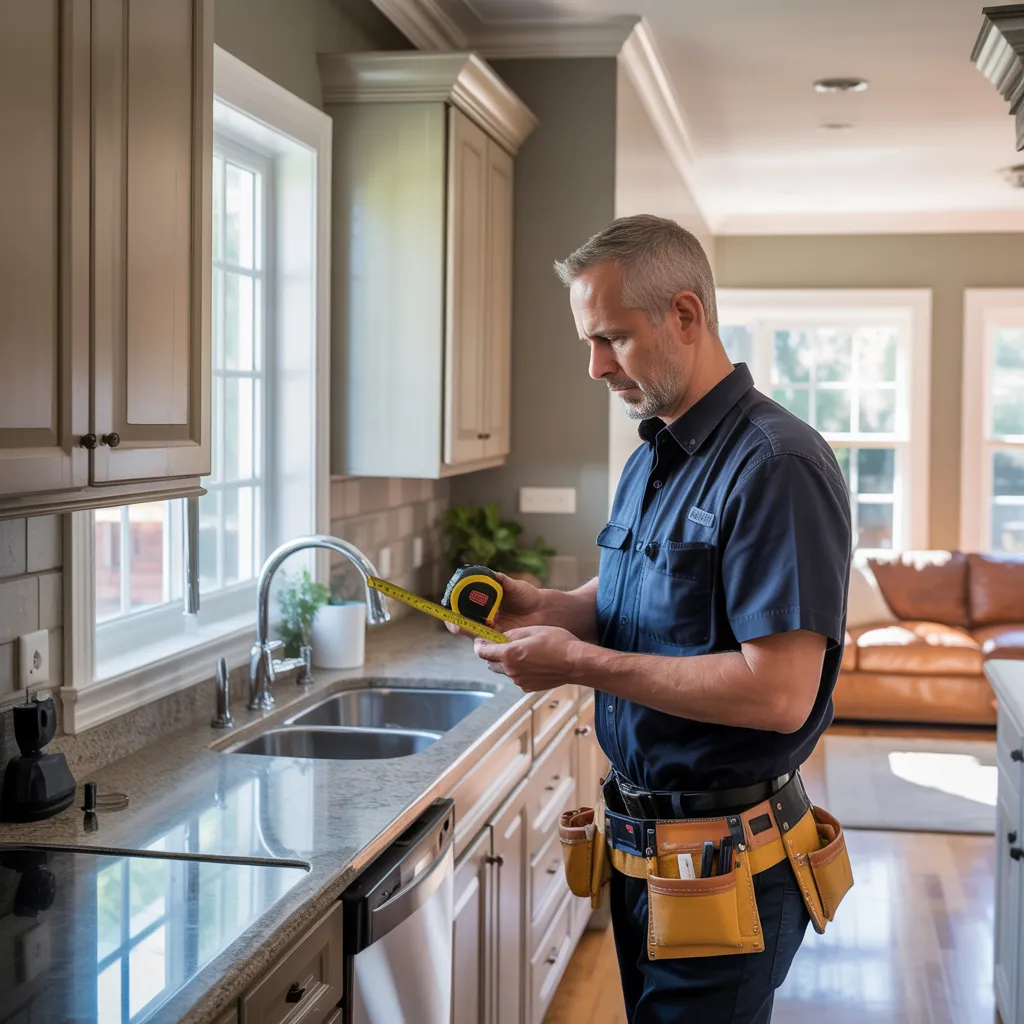
Factors to Evaluate When Selecting a Dependable General Contractor
When starting a home improvement project, how can one ensure they choose a reliable general contractor? First, individuals should request recommendations from loved ones, acquaintances, or web-based testimonials to find potential candidates. It is essential to confirm credentials, including permits and coverage, making sure the contractor meets local regulations. Next, examining past work through project galleries or client testimonials provides insights into the contractor's workmanship and dependability.
Furthermore, securing multiple quotes can help gauge competitive pricing and project timelines. Communication skills are equally vital; a contractor should be accessible and quick to respond to inquiries. In addition, a solid contract specifying project boundaries, completion dates, and payment schedules safeguards both involved sides. At the end of the day, trust instincts; if a contractor appears unprofessional or evasive, it may signal future issues. By staying true to these recommendations, homeowners can considerably boost their chances of hiring a dependable general contractor, ensuring successful home improvement projects.
Why Choosing a Local General Contractor Represents Your Optimal Decision
Opting for a local general contractor can dramatically elevate the success of domestic renovation projects. Local contractors possess precious insight of the area, including structural codes, standards, and zoning laws, ensuring adherence and efficiency. Their established relationships with suppliers and supporting contractors can lead to better pricing and timely access to resources and experienced professionals.
Furthermore, neighborhood builders often have a standing to maintain within the community, encouraging them to provide high-quality work. This feeling of responsibility fosters trust and confidence among property owners.
Furthermore, being nearby facilitates speedier interactions and rapid responses, which can be important during a project. Homeowners can also ask for suggestions from neighbors or friends who have engaged with in the past the contractor, delivering peace of mind. Overall, selecting a local general contractor not only supports the community but also improves the overall quality and experience of home improvement undertakings.
A Comprehensive Manual for Your Residential Upgrade Experience
Undertaking a home improvement project calls for thoughtful planning and implementation. Setting a work schedule is vital to ensure that tasks are completed efficiently, while selecting excellent materials can greatly shape the project's outcome. This resource will outline these vital stages to help homeowners navigate their renovation journey with great success.
Planning Your Work Schedule
A well-structured project timeline is crucial for efficient home improvements, ensuring that every phase is executed smoothly. To begin, homeowners should establish the project's scope, outlining particular goals and desired outcomes. Next, they should collaborate with their general contractor to agree on a feasible timeframe based on the project's complexity and required tasks. Breaking the project into smaller phases enables better tracking and adjustments as needed. It is also important to plan for potential delays, such as weather conditions or supply chain issues, which may affect the schedule. Regular check-ins with the contractor can help ensure timely completion. Ultimately, a clear timeline promotes communication and defines expectations, leading to a more seamless home improvement journey.
Determining Premium Supplies
Picking high-quality materials greatly shapes the outcomes of house renovation jobs. To begin with, residents must determine the exact requirements of their job, considering factors like strength, visual appeal, and financial constraints. Exploring different material options is important; this involves learning about the pros and drawbacks of each. Meeting with professionals can supply important guidance on reliable companies and suppliers.
Next, property owners should request samples see now to assess the look and feel of materials in person. Contrasting prices across different suppliers can help ensure affordable rates without sacrificing quality. Finally, confirming that materials comply with local building codes is essential for safety and compliance. By thoughtfully selecting materials, homeowners can improve both the durability and aesthetic value of their renovations, ultimately adding value to their property.
Share Your Vision Like a Pro
Successful home renovations often copyright on the ability to communicate a distinct vision. Homeowners should express their concepts, tastes, and requirements, ensuring that they convey their desires efficiently to their general contractor. A well-defined vision not only assists in aligning the contractor's strategies with the homeowner's objectives but also streamlines the planning process.
Visual tools like sketches or mood boards can greatly enhance communication. They offer a concrete visual that illustrates style, color schemes, and layout preferences. Furthermore, engaging in open dialogue promotes teamwork, allowing the contractor to request clarification and share expertise.
Setting practical schedules and allocations is equally important. Homeowners should be equipped to discuss parameters candidly to circumvent misunderstandings later. To sum up, sharing a vision with distinctness and poise strengthens both parties, clearing the way for triumphant project execution and pleasing results in residential renovation undertakings.
The Worth of Premium Materials and Expert Craftsmanship
In residential renovations, the choice of long-lasting materials significantly influences the durability and functionality of a project. Just as crucial is the role of skilled craftsmanship, which ensures that these materials are utilized properly. Together, premium materials and expert workmanship produce outcomes that stand the test of time.
Durable Material Choosing
A deliberately chosen variety of resilient materials can considerably influence the durability and beauty of home improvements. Premium materials not only boost the appearance of a space but also confirm that renovations resist the test of time. Homeowners should emphasize materials with proven longevity, such as hardwood, stone, and high-grade metals, which combat wear and tear and environmental damage. Additionally, opting for materials appropriate for the local climate can eliminate issues like rot or corrosion. Putting money in sturdy options may require a higher upfront cost, but the long-term benefits—fewer repairs and replacements—make it a sound choice. Ultimately, the right materials add to a home's value and overall satisfaction for years to come.
The Significance of Skilled Craftsmanship
Quality technical skill plays an essential role in the favorable outcome of domestic renovations, supplementing the identification of robust materials. Skilled artisans promise that every dimension of a project is executed with precision, enhancing both functionality and beauty. Attention to detail in construction, from framing to finishing touches, substantially impacts the longevity and reliability of home features. Quality workmanship not only expresses a dedication to excellence but also safeguards against future issues, such as structural problems or cosmetic imperfections. Additionally, experienced contractors recognize the nuances of various materials, verifying they are employed effectively. Ultimately, allocating resources toward skilled craftsmanship leads to a more fulfilling and persistent result, enhancing the overall value of the home and the property owner's contentment.
Standard Renovation Pitfalls and How to Circumvent Them
A large portion of homeowners experience challenges in renovations that can lead to costly interruptions and unhappiness. An ordinary mistake involves miscalculating the budget. Absent a detailed financial plan, unexpected outlays can develop quickly, putting at risk the undertaking. Additionally, omitting to acquire compulsory licenses could result in penalties and project halts, complicating the renovation sequence.
Making hasty decisions represents another frequent error. Quick choices about design and layout may lead to disappointment later on. Homeowners often fail to recognize the importance of hiring qualified experts, which can compromise the work quality and safety standards.
In conclusion, inability to communicate effectively with contractors may generate miscommunications and unmet expectations. To avoid these difficulties, homeowners should prioritize thorough preparation, secure the mandatory permits, recruit skilled professionals, and foster active dialogue throughout the renovation process. By handling these common oversights, homeowners can guarantee a more pleasant and successful renovation experience.
What Materials Should You Select for Your Upgrade?
How can property owners ensure they choose the appropriate products for their remodeling work? First, they should assess the particular requirements of the space, considering factors such as performance, aesthetics, and durability. Researching different options is essential; property owners should compare options based on their appropriateness for the intended use and local climate conditions.
Engaging a dependable construction specialist can supply expert knowledge into product selections, confirming choices correspond with both budget and design goals. In addition, residents should focus on sustainability by examining sustainable alternatives that lessen environmental impact.
Ultimately, reviewing samples can benefit in reaching sound conclusions, enabling property owners to picture how materials will display and function in their setting. By pursuing these approaches, homeowners can securely opt for products that boost their restoration while safeguarding caliber and persistence.
Often Posed Queries
How Can I confirm a Contractor Licenses and Insurance?
To validate a contractor's licenses and insurance, one can examine state regulatory agencies and insurance providers. Furthermore, asking for documentation of licenses and insurance from the contractor directly guarantees authenticity and compliance with regulations.
What Reflects the Average Schedule Required for House Remodeling Endeavors?
The typical timeline for home improvement projects fluctuates, often spanning from a few weeks to several months, depending on project complexity, size, and required permits. Consultation with the construction firm can help develop a more reliable plan.
May I Occupy My Home While Renovations Are Underway?
Yes, a person can occupy a home during renovations, though it often depends on the project's scale. Limited renovations may enable continued occupancy, while substantial work might necessitate temporary moving for well-being and comfort.
Which Payment Options Are Commonly Accepted by Contractors?
Contractors typically accept a range of payment forms, such as cash, checks, credit cards, and digital payment platforms. Some may also offer financing options, enabling clients freedom in controlling renovation costs and payment schedules.
How Can I Navigate Disputes Involving My Service Provider?
To deal with disagreements with a contractor, one should express yourself plainly, record all dealings, and reach settlement through collaborative discussion. If remains unresolved, mediation or legal proceedings may be crucial to protect one's interests appropriately.